

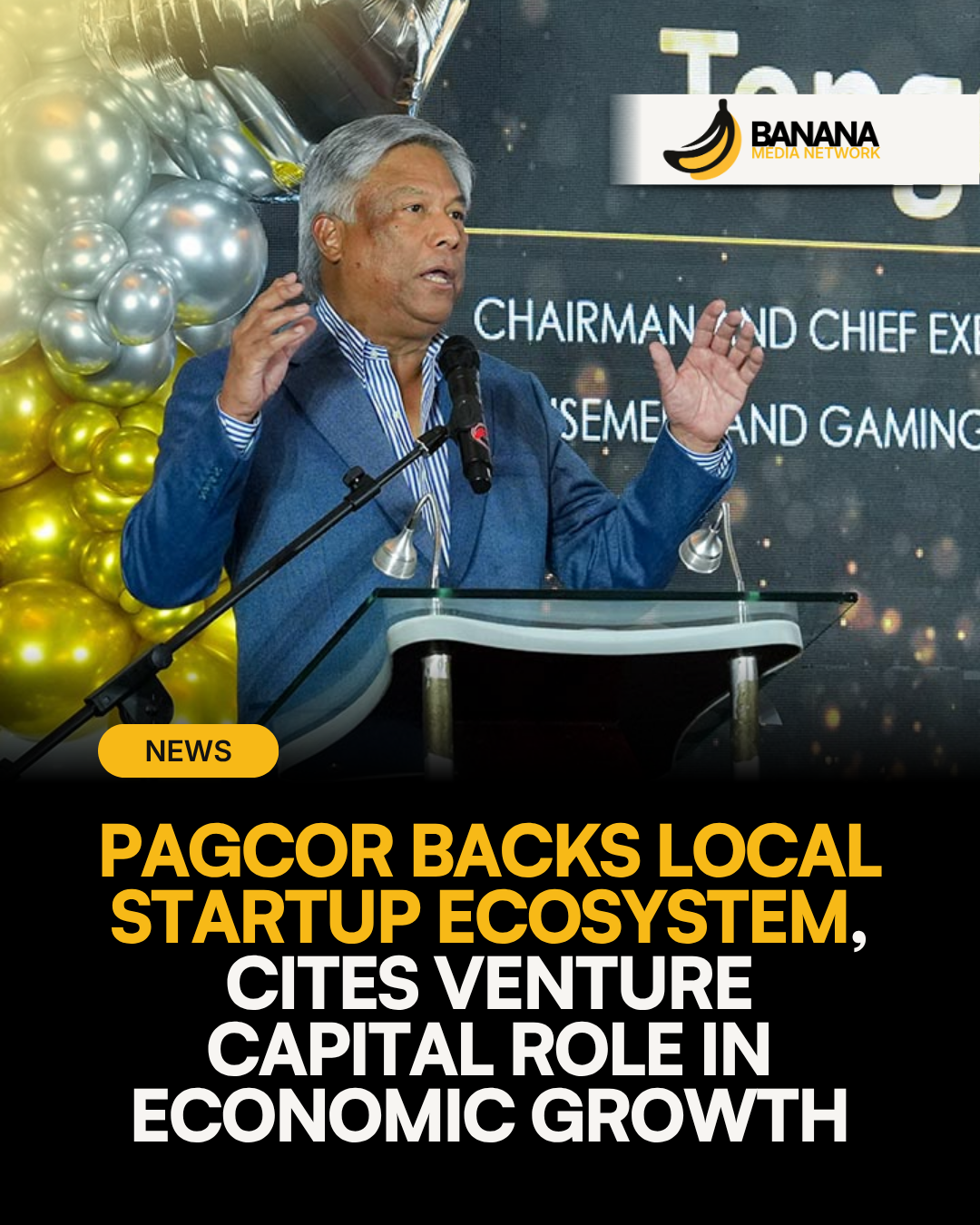
NEWS | The Philippine Amusement and Gaming Corporation (PAGCOR) has formally thrown its institutional weight behind the nation’s startup sector, positioning early-stage entrepreneurship and private capital formation as vital pillars of national economic development. Speaking at the 10th anniversary celebration of the Manila Angel Investors Network (MAIN) held at the Manila Polo Club in Makati City, PAGCOR Chairman and Chief Executive Officer Alejandro H. Tengco emphasized the systemic necessity of public-private cooperation in nurturing domestic ventures. The endorsement underscores a broader administrative effort to channel institutional credibility and state-backed momentum toward high-growth commercial enterprises beyond traditional gaming and real estate verticals.
Public Policy Alignments in Early-Stage Capital
During his keynote address before angel investors, corporate leaders, and tech founders, Tengco highlighted that early-stage businesses provide the structural framework needed to convert domestic intellectual property into viable commercial enterprises. "Startups, as we all know, create businesses and jobs, introduce new products and services, and give Filipino entrepreneurs the opportunity to turn ideas into viable enterprises," Tengco stated, linking regulatory stability to broader economic participation.
The agency's engagement with MAIN—the country’s premier network of angel investors—reflects an evolving mandate where state-owned entities actively endorse early-stage capital formation. Beyond regulating gaming operations and remitting corporate revenues to the national treasury, state leadership is signaling that fostering a mature venture investment landscape is critical for broader economic resilience. During the event, MAIN presented PAGCOR with a Certificate of Appreciation, acknowledging the regulator's role in advocating for an expanded private investment framework.
Revenue Diversification and Economic Context
PAGCOR's public support for startups comes as the Philippines works to strengthen its position in the regional technology and venture capital markets. According to global startup ecosystem metrics, the Philippines holds 64th position globally and 6th in Southeast Asia, with Manila’s median Series A funding round reaching $14.5 million. Despite broader venture capital headwinds across Southeast Asia, public sector support and targeted grant programs—such as the Department of Science and Technology's (DOST) Startup Grant Fund—have kept deal flow active across fintech, e-commerce, and enterprise software.
The alignment between state gaming oversight and angel investment networks also provides critical narrative support for PAGCOR's operational presence. With Philippine gross gaming revenues reaching ₱396.14 billion ($6.3 billion) in 2025—driven largely by rapid growth in electronic and online gaming—the state regulator is keen to demonstrate how overall economic expansion supports job creation and digital infrastructure across non-gaming sectors.
Institutional Execution and Capital Deployment
While the regulatory chief’s endorsement signals policy goodwill, industry observers note that public statements must translate into concrete institutional mechanisms. Philippine startups continue to navigate operational hurdles, including access to early-stage growth capital, administrative tax compliance, and long-term liquidity options for angel funds.
Collaborations between government bodies and private investor groups like MAIN offer a potential bridge for these execution gaps. However, establishing streamlined regulatory pathways and sustainable co-investment frameworks remains essential for local entrepreneurs attempting to scale regionally.
How effectively will public sector endorsements translate into actionable co-investment policies and regulatory relief for early-stage Filipino founders?