


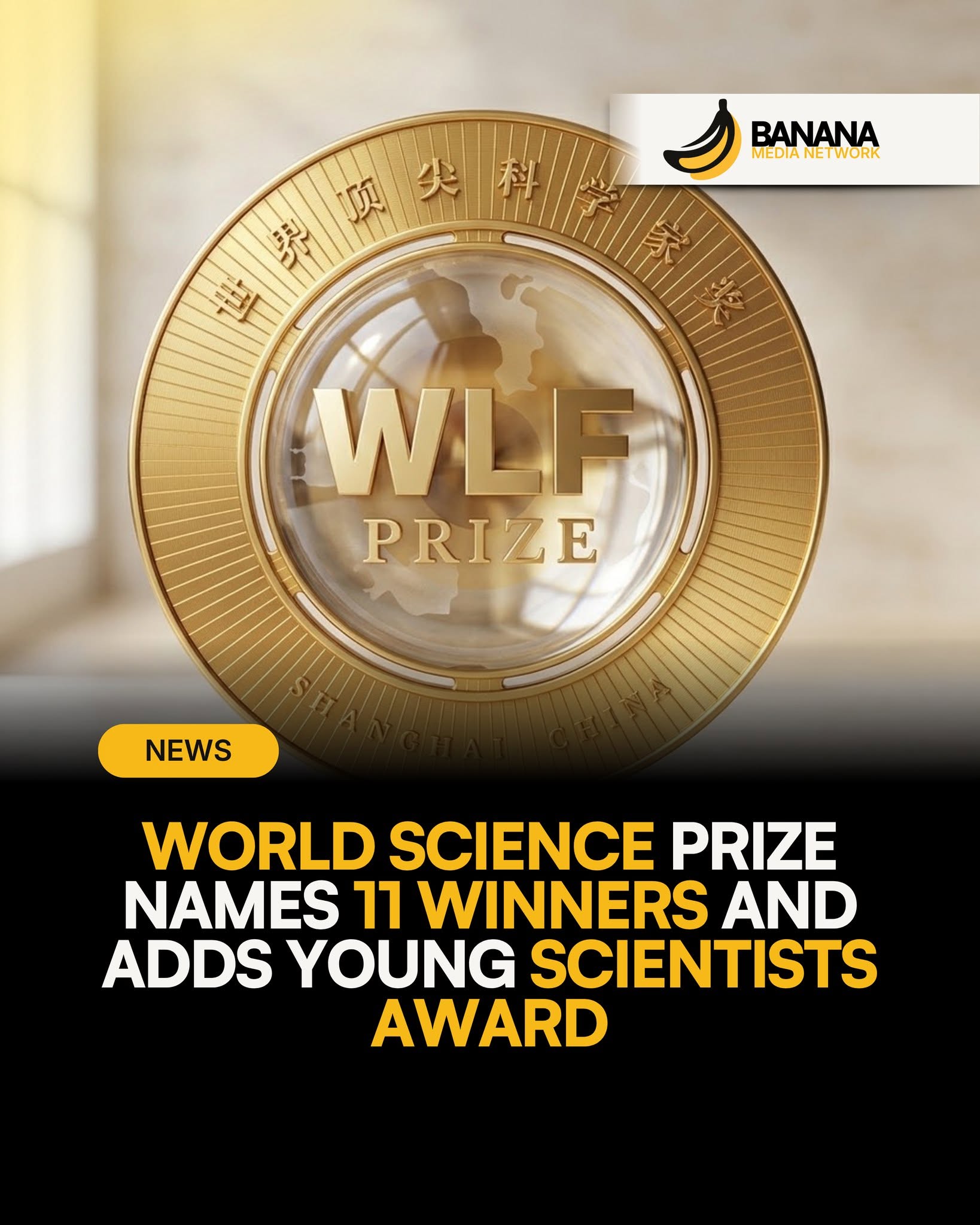
NEWS | The World Laureates Foundation named the winners of its 2026 science prize this week in Shanghai. Eleven scientists won this year, the most since the award started five years ago. For the first time, the group included a brand new award just for young researchers early in their careers.
Mathematician Ingrid Daubechies of Duke University won the computer science prize for her work on image compression technology. Four researchers, including scientists from the Shanghai Institute of Organic Chemistry, the National Institute of Biological Sciences and Genentech, shared the life science prize for figuring out how cells die in a controlled way at the molecular level. Six young scientists won the brand new young scientists award, with ten more named as finalists.
Organizers said this year's nominees came from top universities across China, the United States, Britain, France and Germany, making it the biggest and most competitive year yet. The awards ceremony is set for late October in Shanghai.
In BMN's view, giving young scientists their own award could change who gets noticed first in the science world, opening doors that used to go mostly to older, more established names. It could also mean more competition ahead for veteran researchers chasing the same funding.
Could this new group of winners end up solving problems that today's top scientists never got to?
Your picture beside a comment comes from Gravatar, matched to the email you signed in with. Set one there and it appears here; without one you get your initials. How we handle this