


A customer asks where her parcel is. A bot checks the order and tells her it will come on Friday. Easy. Then she says the last two parcels went to the wrong house. She was told she would get a refund. Her card shows two charges. Now what?
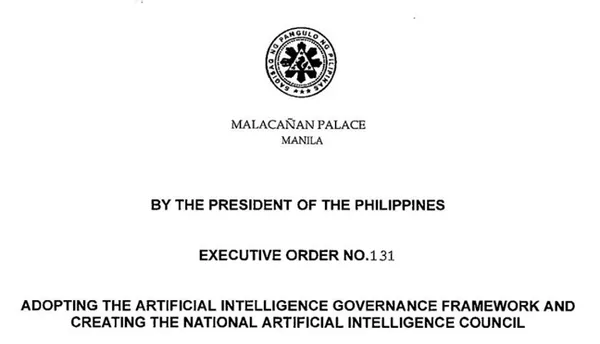
I think about that second call when I hear the Palace tell Filipino workers to learn AI skills. Yes, let’s learn. But what should we learn, and what job will still be there when class is over? If the bot takes the easy calls, someone still has to fix the mess. That person needs time, good tools, and the right to make a call that a script cannot make for them.
I hear people talk as if only simple work can change. I think that is a bad bet. A tool can now pull up a record, write an answer, and pass a case to the next desk. A worker may spend less time on one part of a job and more time on another. Or a firm may decide to fill fewer seats. I want to know which of those things is happening here. I also want to hear what new hires are being taught. If they start on hard cases from day one, who sits with them when they get stuck? Who helps them learn to calm a caller down while they look for a fix?
The Philippine Statistics Authority said the share of people out of work rose in September 2026. The reported count of contact center information clerks fell by about 289,000 from the year before. Compare that with a wider outsourcing workforce of just under two million and you get a sense of the size. These counts cover different groups. The survey leaves AI’s role open.
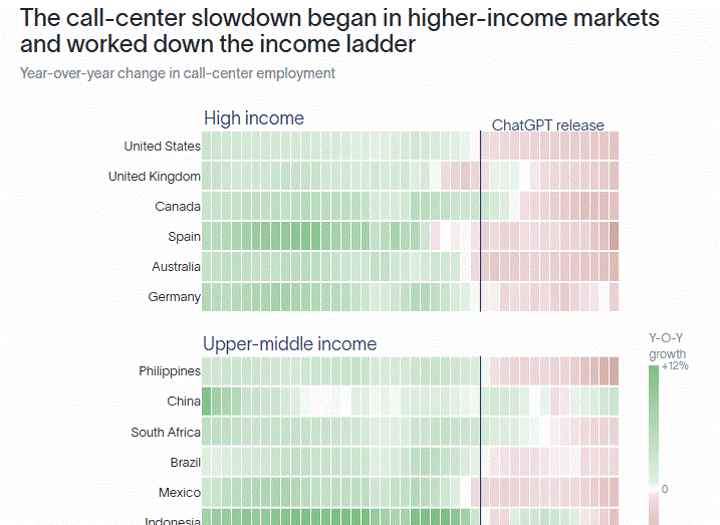
There is another clue. Revelio Labs tracks jobs through online records. Its data show that call center work in many countries stalled or fell after ChatGPT came out. I take the timing as a reason to look closer. I would ask firms who takes the calls now, what happens when a bot gets stuck, and where new staff can learn the work if the easy calls go away.
I train people for companies. I see why a class can help. I also know TESDA, the public skills agency, and industry groups are part of the push. But I still want a clear count of who gets trained and who doesn’t. From what I can see, a lot of workers are left to find courses on their own. Try making time for that when you work at night and have kids to look after by day.
If I had to pick a class for that worker, I would start with the call about the missing parcels. Give the class a fake order and a bot reply. Let people check the dates and the charges. Have them write the note that will help the next person fix the case. Then show them the jobs that use those skills and what those jobs pay.
I want firms to make room for that on the clock. Let workers try for new roles while they still have a job. Ask staff what they see and what they would change. If a bot sends ten people in a row to the wrong desk, the workers who get those calls may see the problem first. Give them a say in how the tool works.
And when firms leave people out, I want government to step in. Ask employers to name real jobs. Ask TESDA to help build classes for those jobs. Help pay for fares, data, or time off. Tell us how many people took the class, how many found work, and what the jobs paid. A seat in a class is a start. I want to know what the person in that seat gets to do next.
Discussing BPO and AI with Lourd De Veyra, Political Beat, One NewsBPO
(Video credit: One News)
About Me:
Dominic “Doc” Ligot is one of the leading voices in AI in the Philippines. Doc has been extensively cited in local and global media outlets including The Economist, Channel News Asia, South China Morning Post, Washington Post, and Agence France Presse. His award-winning work has been recognized and published by prestigious organizations such as NASA, Data.org, Digital Public Goods Alliance, the Group on Earth Observations (GEO), the United Nations Development Programme (UNDP), the World Health Organization (WHO), and UNICEF.
If you need guidance or training in maximizing AI for your career or business, reach out to Doc via https://docligot.com.
Follow Doc Ligot on Facebook: https://facebook.com/docligotAI